
Sewers & repiping
Who issues the permit for a sewer line replacement, and what gets inspected
Replacing a sewer lateral is inspected work, and which agency signs it off depends on whether the property sits inside a city or on unincorporated county land. Here is who issues the permit, what an inspector looks at with the trench open, and why skipping it comes back.
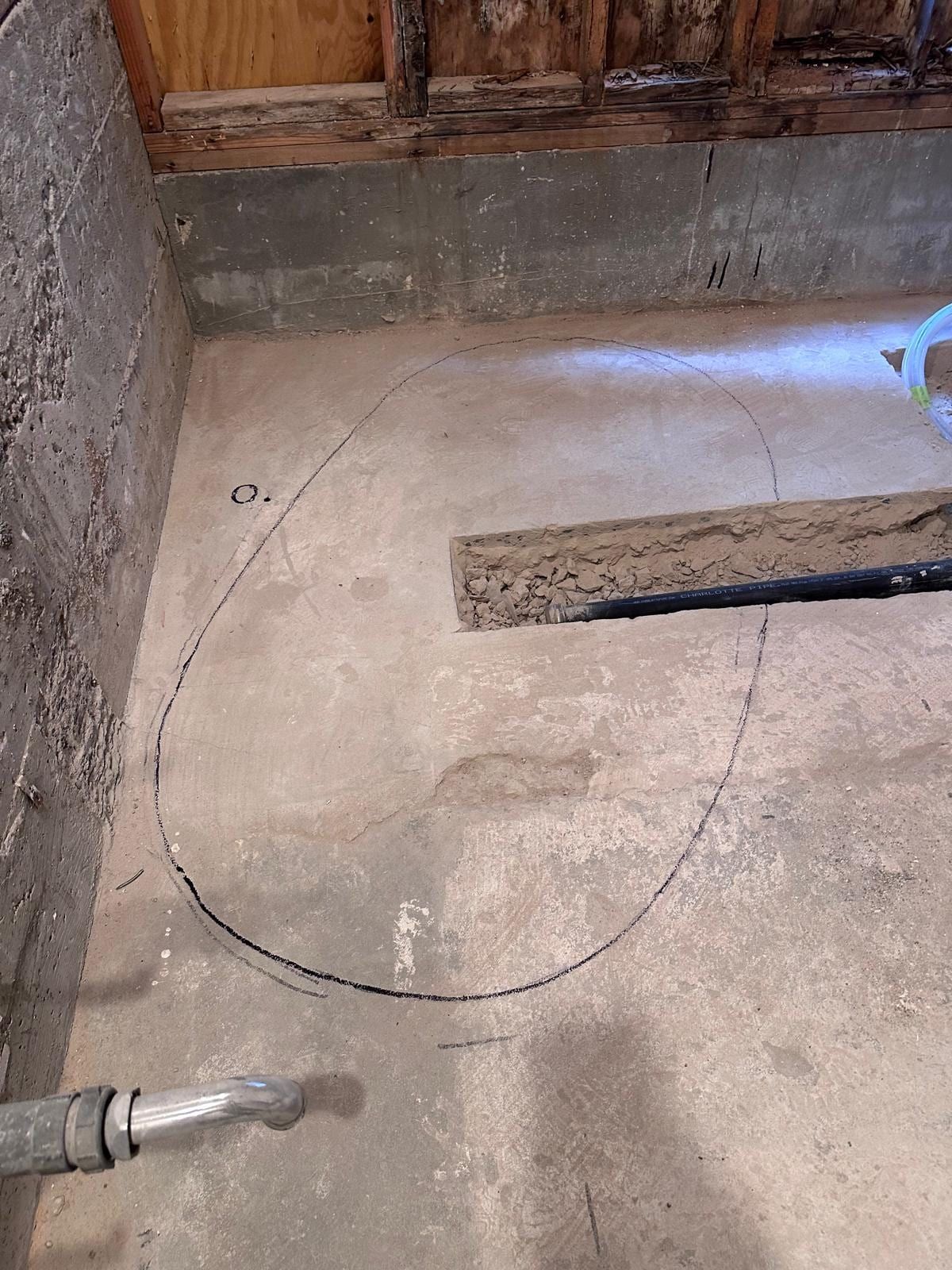
A sewer lateral replacement is permitted work. If the house is inside Costa Mesa, the permit comes from the city building department. If it sits on unincorporated county land, it comes from Orange County instead. The permit is pulled by the licensed contractor doing the work rather than by you, and the practical effect is that an inspector looks at the trench and the pipe before any of it is buried. We do not publish fees or processing times here, because those are set by the agency and they change. The agency’s own counter is the only source worth trusting for them.
City or county, and how to tell which one you are in
Orange County is a patchwork of cities plus a handful of unincorporated communities that sit inside the county boundary but not inside any city. North Tustin, Rossmoor, Coto de Caza, Ladera Ranch and Rancho Mission Viejo are the ones that come up most often. A house in one of those pockets can carry a postal address naming a nearby city and still fall under county jurisdiction for building permits. That is not a technicality. File with the wrong agency and the permit does not exist for the property, which means that as far as the record is concerned the inspection never happened.
Costa Mesa: two agencies with two different jobs
In Costa Mesa the building department permits the work, while the Costa Mesa Sanitary District is the agency responsible for the sewer main your lateral connects into. Those are separate bodies with separate interests. The district’s concern starts at the point of connection, which around here is usually under the middle of the street. Everything from there back to the house is the homeowner’s pipe. So a replacement running the full length touches the city for permit and inspection, the district at the connection, and whoever owns the road surface being cut.
The district also runs a rebate programme covering a CCTV inspection of the lateral or the installation of a ground-level cleanout. Ask them what it currently covers before booking either one. A cleanout added during a replacement is a small piece of work at the time and the difference between a five-minute camera run and a toilet pull for the next thirty years.
The other work in the house that needs a permit
Sewer replacement is not the only item on the list, and the rest of it catches people out.
The water heater is the one that surprises people most, and it is the clearest illustration of what a permit is actually for. A code-compliant install has two seismic straps anchored to structure, a drip pan with a drain line taken somewhere sensible, a full-size temperature and pressure relief line ending near the floor with no valve anywhere in it, correct venting, a sediment trap on the gas line, and an expansion tank where the system calls for one. Every one of those is a specific physical thing an inspector can look at. An uninspected install is not automatically wrong, but nobody except the person who did it has ever checked.
What the inspector is actually looking at on a sewer job
On a replacement the inspection happens with the trench open, because once it is backfilled there is nothing left to see. The questions are practical ones. Is the pipe the right material and properly bedded. Does it fall consistently towards the main. Are the joints made correctly. Is the cleanout where it should be and reachable. Is the connection at the main made in a way the district accepts. It is not an interrogation. It is a second set of eyes on work that is about to be buried for the next fifty years.
Cutting into the street
Where a replacement reaches into the public roadway, the agency that owns that surface has its own requirements for working in it on top of the building permit, covering how the trench is protected, how traffic is handled and how the surface is put back. That is set by the road authority rather than by the plumber. It is one reason a lateral connecting near the kerb and one connecting at the centreline are different jobs even when the pipe and the length are similar.
Why unpermitted work comes back
The argument for skipping the permit is that it is faster, and it is, once. Then the house goes on the market, a buyer’s inspector asks for the record of a sewer replacement, and there is nothing to hand over. Or a problem appears in year three and the only account of what went into the ground is the memory of whoever put it there. Permitted work leaves a trail attached to the property. Unpermitted work leaves the next owner arguing about a pipe nobody can describe.
What to check before anyone digs
None of that slows down a genuine job. It only slows down the ones that were never going to be inspected in the first place.